1. Home to the World’s First Granite Temple
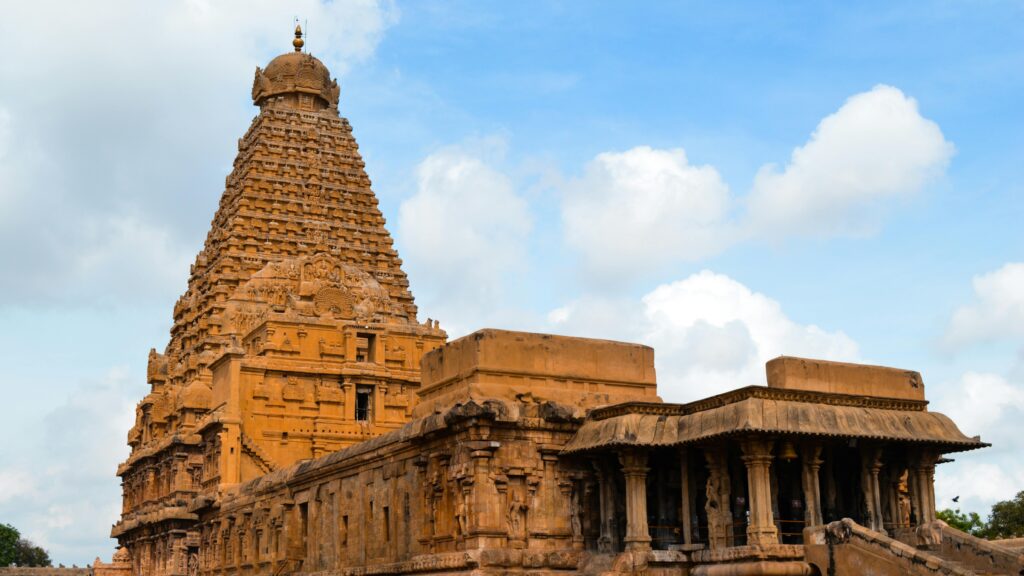
The majestic Brihadeeswara Temple, built over 1,000 years ago by the Chola king Raja Raja I, is the first temple in the world fully constructed from granite. No quarries exist nearby, making its construction a marvel. Its towering vimana (temple tower) showcases unparalleled ancient engineering and architectural brilliance that continues to awe visitors.
2. UNESCO World Heritage Site
Thanjavur’s Brihadeeswara Temple is part of the “Great Living Chola Temples” declared as a UNESCO World Heritage Site. These temples aren’t just historical structures—they are active places of worship, reflecting how spiritual and cultural traditions have been preserved continuously since the 11th century. They’re considered masterpieces of Dravidian temple architecture.
3. Birthplace of Tanjore Painting
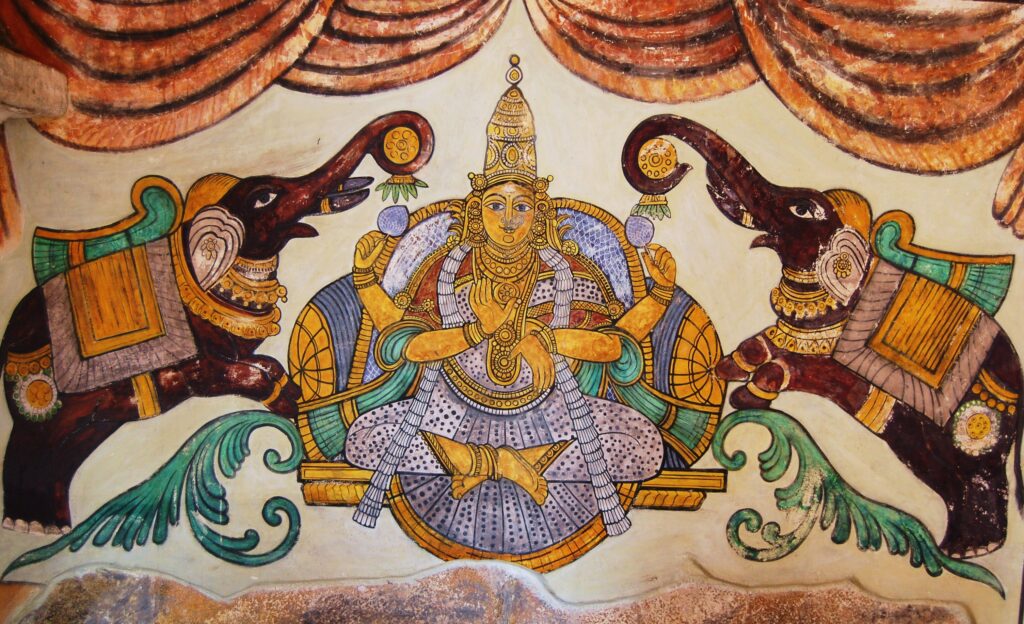
Tanjore painting, a classical South Indian art form known for its vivid colors, gold foil, and religious themes, was born in Thanjavur. These paintings typically depict Hindu gods and goddesses and are cherished globally for their intricate detailing. The city remains a hub for artists who continue this age-old artistic legacy.
4. A Cultural Hub for Classical Music
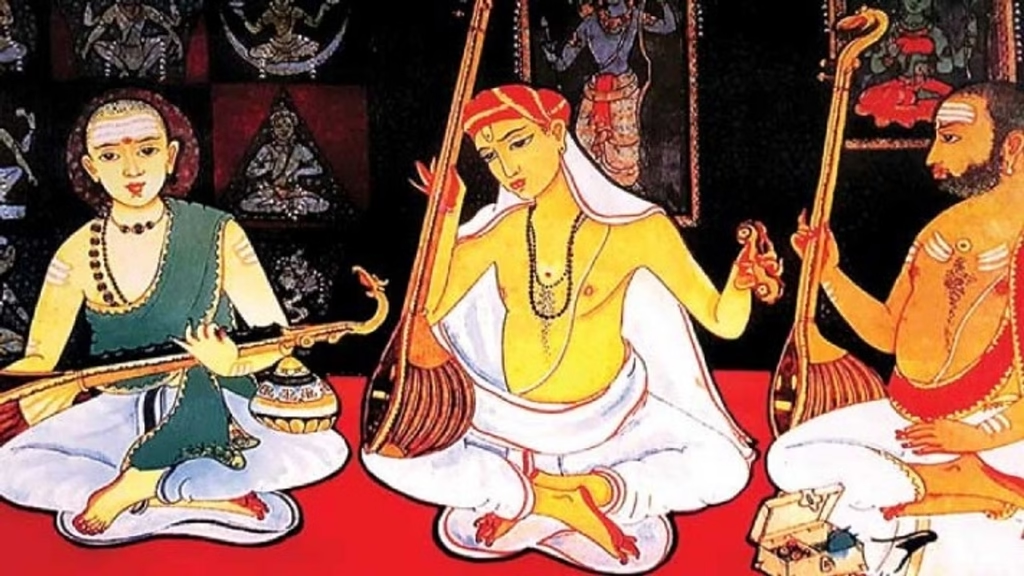
Thanjavur is one of the cradles of Carnatic music, South India’s classical music tradition. It produced legendary composers like Tyagaraja and Muthuswami Dikshitar. The city’s royal courts once patronized many musicians, and its musical legacy continues through festivals, temples, and families that have passed down the art for generations.
5. The City Had One of the Oldest Libraries in India
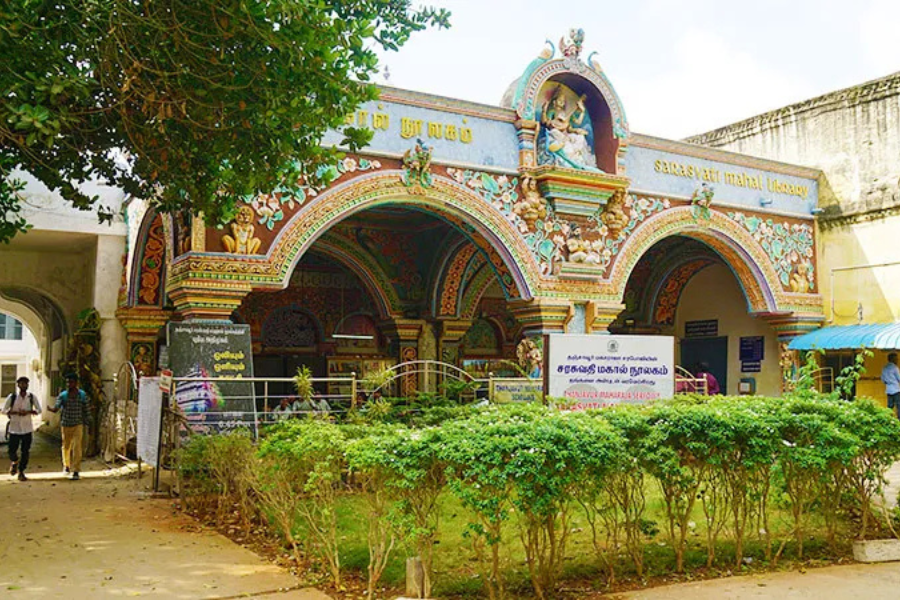
The Saraswathi Mahal Library, located within the Thanjavur Palace, houses over 60,000 rare manuscripts, some dating back to the 16th century. Written on palm leaves and ancient paper, these texts cover literature, medicine, astrology, and history in multiple languages. It’s considered one of Asia’s oldest functional libraries.
6. Thanjavur Was Once the Capital of the Powerful Chola Empire
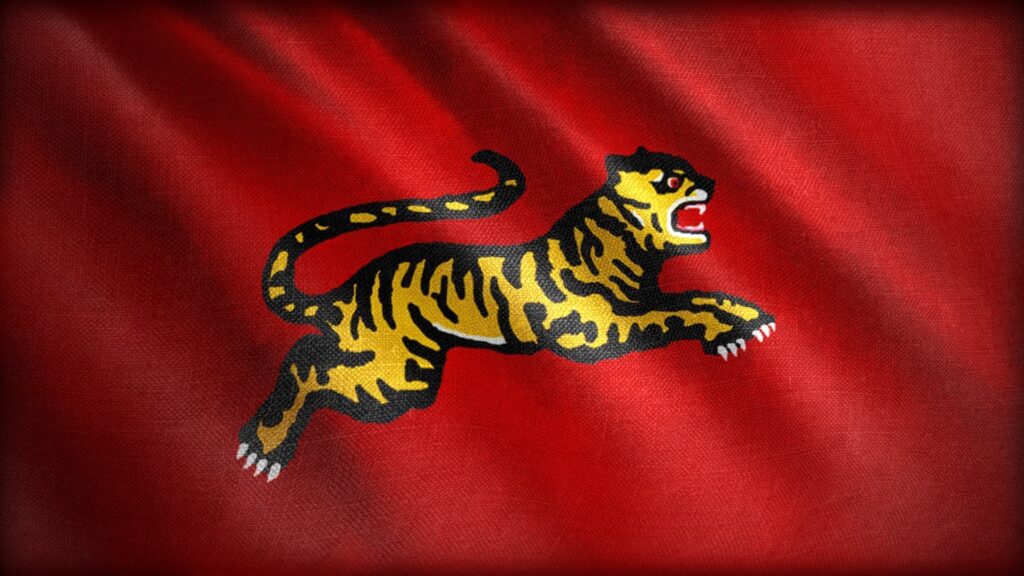
During the height of the Chola dynasty, Thanjavur was a political, cultural, and maritime power. It was from here that the Cholas expanded their influence to Sri Lanka and Southeast Asia. The city’s urban planning, art, and architecture during this time still inspire scholars and heritage architects worldwide.
7. The Temple’s Shadow Never Falls on the Ground at Noon
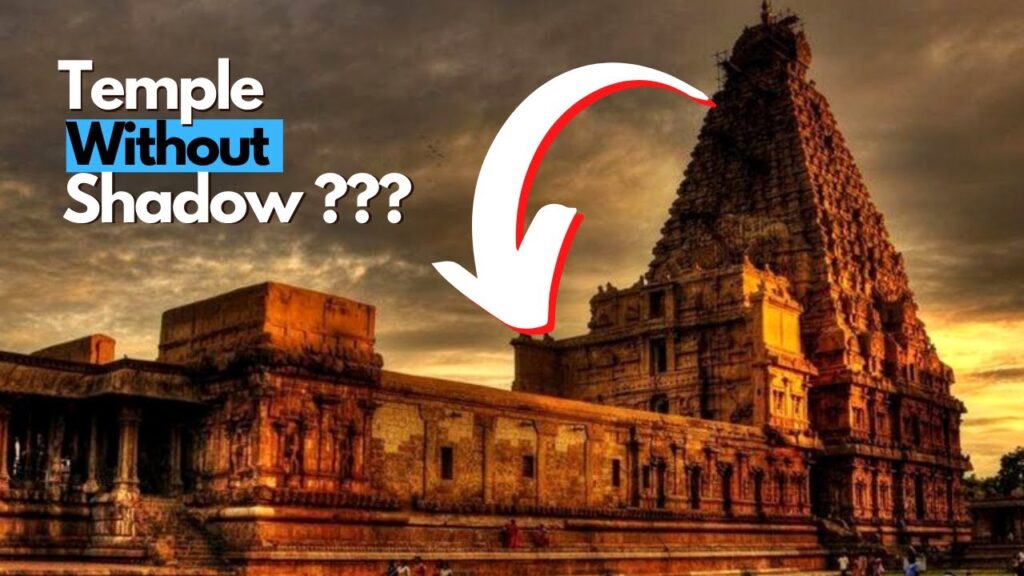
One of Brihadeeswara Temple’s architectural mysteries is that its towering vimana (temple tower) doesn’t cast a shadow on the ground at noon. Scholars believe this is due to the precise angles and design used in its construction—a remarkable demonstration of the Cholas’ knowledge of physics and geometry.
8. The Thanjavur Doll is a GI-Tagged Cultural Symbol
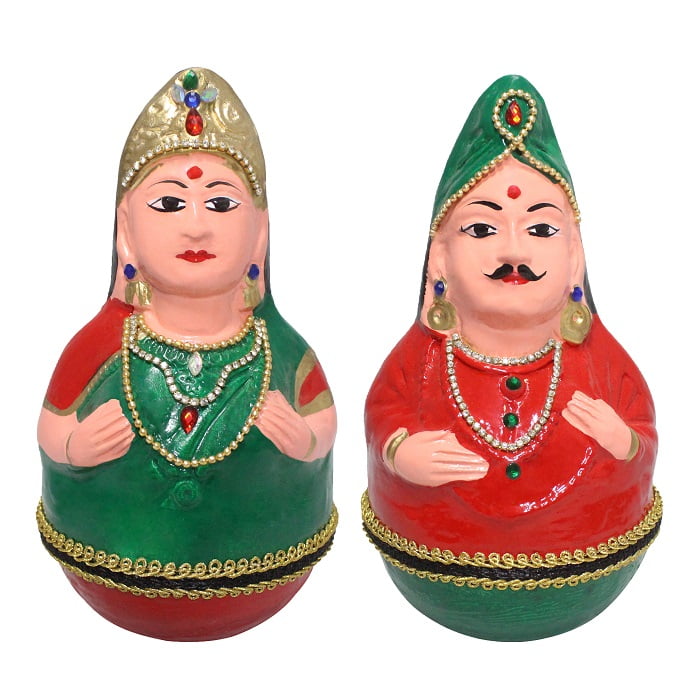
The famous Thanjavur Thalayatti Bommai (bobble-head doll) is not just a children’s toy—it’s a GI-tagged handicraft that represents the region’s folk artistry. These dolls are made using papier-mâché or clay and are known for their gentle head movement, vivid colors, and traditional attire, symbolizing Tamil Nadu’s rich cultural identity.
9. A Blend of Dynasties
Thanjavur has been ruled by Cholas, Pandyas, Nayaks, Marathas, and the British—each leaving its mark on the city’s architecture, cuisine, language, and arts. This mix makes Thanjavur one of the most culturally diverse cities in South India, where temples, palaces, and traditions tell stories of many eras.
10. It’s a Place Where Science, Art, and Devotion Unite
From its astronomical temple alignments to its mathematically designed acoustics, Thanjavur reflects how ancient Indian culture integrated science with art and religion. The city’s temples were not only places of worship but also hubs for education, music, art, and even engineering experimentation long before modern institutions existed.


Leave a Reply